Spotting Water Loss Around Pool and Spa Plumbing
Why Small Leaks Matter Around Pool Equipment and Spa Plumbing
A pool or spa holds thousands of litres of water, so a small drip might not seem like much. Over days and weeks, that drip adds up. Water bills climb, chemical balance drifts, and the ground around equipment can erode or become a breeding ground for insects. Worse, a hidden leak can damage the pump, filter, or heater when air is pulled into the system. Learning the common leak symptoms around pool equipment and spa plumbing helps you catch problems early and decide when to call a professional.
Where Leaks Usually Start
Pool and spa plumbing is a closed loop. Water leaves the basin through the skimmer and main drain, travels through the pump and filter, then returns through return lines. Any break in that loop, no matter how small, creates a leak. The usual suspects are pump seals, filter o-rings, valve stems, pipe joints, and light niches. Spa plumbing adds more complexity because jets, air injectors, and heater connections are additional potential failure points.
Obvious Signs: Puddles and Wet Spots
The most visible symptom is a persistent puddle near the pump, filter, or heater. If you see a wet patch that does not dry between uses, trace it back to its source. A slow drip from a pump shaft seal often leaves a small puddle on the floor. A weeping valve gland or a cracked union fitting can do the same. For a spa, check around the equipment pack, especially where pipes enter and exit the cabinet. A wet spot under the spa itself may indicate a leak in the shell or a jet fitting, but wet ground near the equipment is more often a plumbing issue.
Air in the System: A Telltale Sign of a Suction Leak
When the pump runs, you might notice bubbles in the water returning to the pool. Air in the system usually means a suction-side leak. The suction side includes everything from the skimmer and main drain up to the pump impeller. If a pipe joint, valve gasket, or pump lid o-ring is compromised, the pump pulls in air along with water. The result is a stream of fine bubbles from the return jets. This not only looks odd but also reduces pump efficiency and can damage the pump over time. If the pump loses prime and cannot push water at all, the leak is probably on the suction side and large enough to let in a lot of air.

Unusual Pump Behaviour
A pump that cycles on and off rapidly, or one that runs but moves little water, may be starved by a suction leak. Listen to the pump. A rattling or chattering sound can indicate cavitation, which happens when air bubbles collapse inside the impeller. That is hard on the pump and often points to a leak. Alternatively, a pump that runs continuously without the filter pressure rising might be losing water on the pressure side, meaning water is returning to the ground before it reaches the pool. In a spa, the same symptoms apply. If the spa's jets feel weak or the water level in the spa drops when the pump is off, suspect a leak in the spa plumbing or the circulation loop.
Unexplained Water Loss
Every pool loses some water to evaporation and splashing. But a loss of more than a quarter inch per day in normal weather warrants investigation. Mark the water level at the skimmer with a pencil. Check it again 24 hours later without running the pool. If the drop is significant, the leak is likely in the basin or the plumbing. In a spa, a similar test works: fill the spa to its normal level, turn off all equipment, and mark the water. If the level drops noticeably within a few hours, water is escaping somewhere. When the equipment is running, the leak may be in the plumbing; when it is off, the leak may be in the shell or a fitting.
Wet Ground Near Equipment
Outside the equipment pad, a patch of soggy ground or a depression in the soil can signal an underground pipe leak. This is more common with older plumbing or areas with shifting soil. If you notice the ground stays wet even after several dry days, or if the area smells musty, there may be a slow leak in a return line or a suction line. In a spa, the same applies to buried pipes leading to and from the equipment pack. A leak in an underground pipe is tricky to find without professional equipment, but the damp ground is a clear clue.
Damp Spots Around Pool Lights
Pool light niches are another common leak point. Water can seep past the light gasket into the niche and then into the conduit or the junction box. Signs include a dim light, flickering, or water visible inside the light lens. A leaky light niche often causes a slow, steady water loss. It also poses an electrical hazard if water reaches the wiring. If you see moisture around a pool light, do not handle the fixture yourself. Turn off power at the breaker and call a qualified technician. For a spa, light leaks are rare but possible; a wet spot near a spa light or a dim light is worth checking.
Chemical Imbalance as a Clue
A leak that lets in ground water or that causes a constant need to add fresh water will throw off chemical levels. You might find that chlorine or sanitiser demand rises sharply, or that pH swings wildly. While not a direct symptom of a leak, a sudden change in water chemistry after the pool has been stable for weeks can be a secondary sign. If you are adding more water and more chemicals than usual, it is worth looking for a leak.
When to Call a Professional
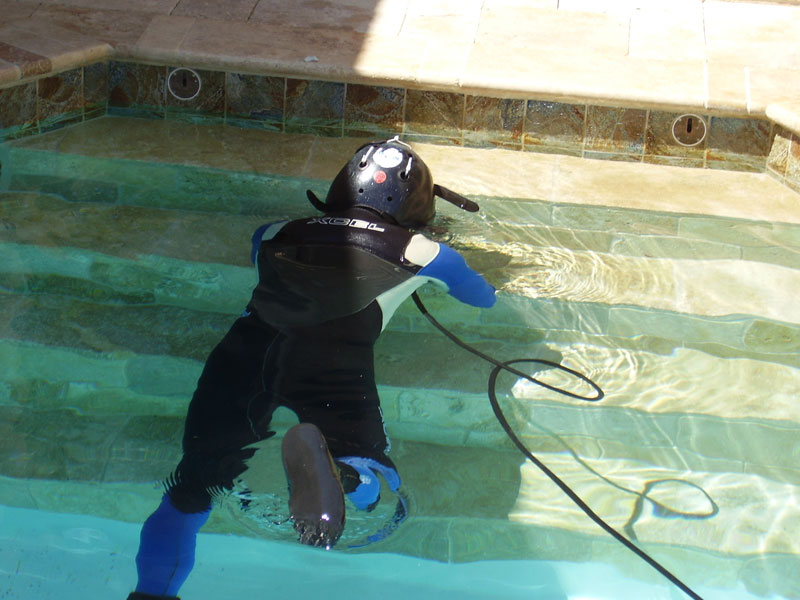
Some leaks are easy to fix, like tightening a pump lid or replacing an o-ring. Others require pressure testing, electronic leak detection, or digging. If you have checked the common spots and cannot find the source, or if the leak is in an underground pipe, a professional service has the tools to isolate the problem. For pool and spa owners in San Diego, sandiegopoolservice.net offers specialised leak detection for residential and commercial systems. Their technicians use pressure testing and listening devices to locate leaks without unnecessary digging. This is especially valuable for spa plumbing, where tight spaces and multiple connections make DIY diagnosis difficult.
Prevention Tips
Regular inspection of pump lids, filter o-rings, and valve stems can catch small problems before they become large leaks. Keep the equipment pad clean and dry so you can spot new wet spots easily. Listen to the pump when it runs. If you hear a change in sound, investigate. Check the water level in the pool or spa weekly and note any unusual drop. A little attention goes a long way. If you suspect a leak but are not sure, a professional can perform a simple test to confirm. In many cases, the cost of a leak detection visit is far less than the damage a hidden leak can cause over time.

Remember that water loss from a spa can be harder to detect because the water volume is smaller. A quarter-inch drop in a spa might be a leak, while in a pool it could be evaporation. If your spa loses water when it is not in use, and the equipment is dry, the leak is likely in the shell or a jet. For any persistent leak, especially one that affects the pump or heater performance, do not delay. A small problem can turn into a major repair. sandiegopoolservice.net provides the expertise to diagnose and locate leaks in both pools and spas, helping you protect your investment and keep your water clear.